

SEO builds lasting, free traffic from Google's organic results, but the results come after months. Google Ads gives you visibility from day one, yet the ads disappear the moment you stop paying. If you have the budget, the two channels work best together — SEO builds the foundation, while Google Ads closes sales here and now.
In short
SEO and Google Ads are not an "either-or" choice but two different tools: Ads delivers traffic immediately but vanishes along with the budget; SEO builds up more slowly (over months) yet delivers lasting, "free" traffic once you have earned the positions. In most cases the best approach is a combination: Ads for the start and for purchase-intent keywords, SEO as the long-term foundation. The choice depends on your goal, budget and time horizon.
How does SEO differ from Google Ads?
Website positioning (SEO) is work on a site's visibility in the free (organic) search results for the keywords your customers type in. You work on content, the technical side of the site and its authority so that Google itself shows your offer high up.
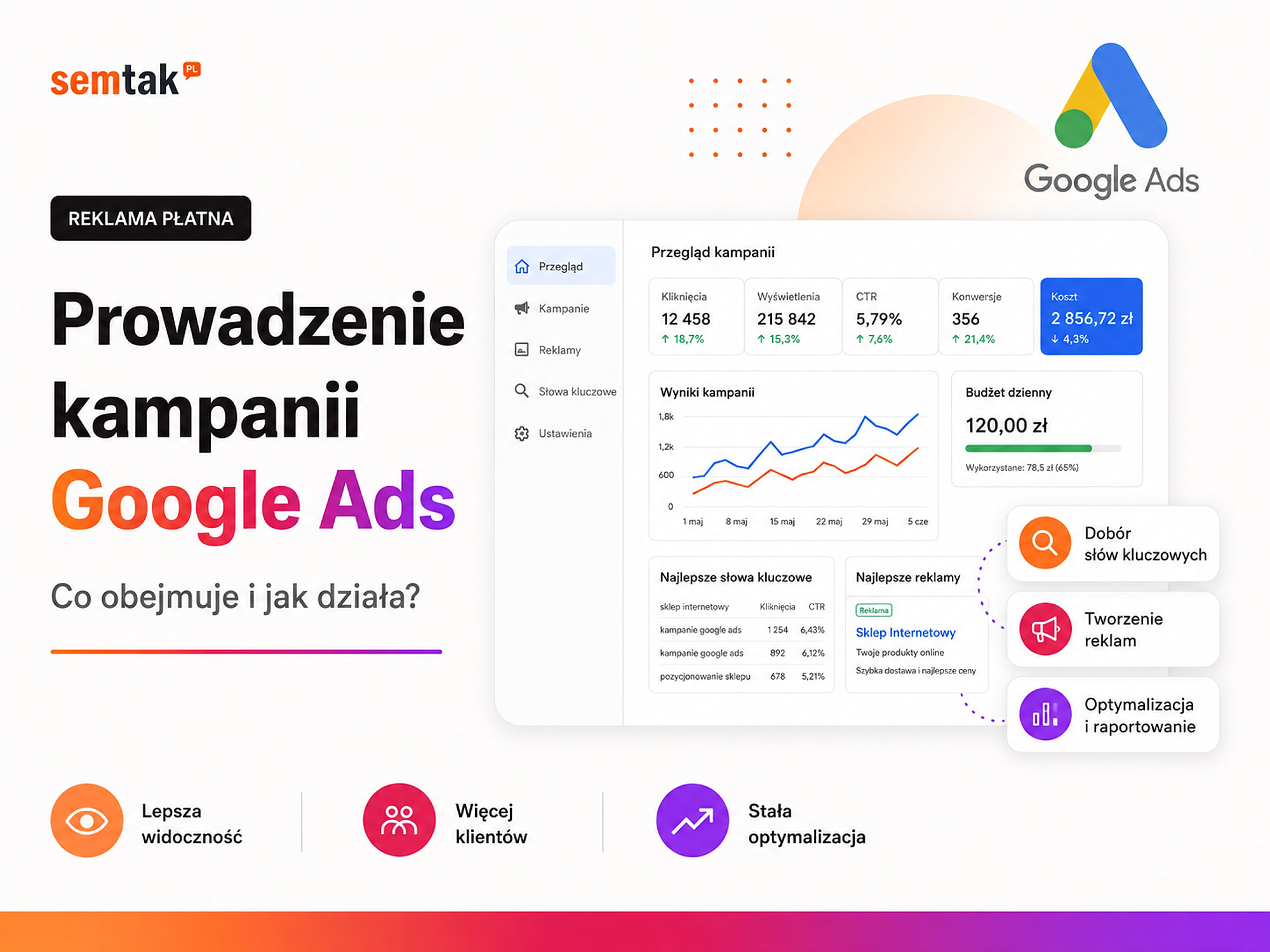
Google Ads (formerly AdWords) are paid adverts labelled "Sponsored" that appear above and below the organic results, as well as in Maps, on the display network and as product ads with an image and price (Google Shopping). Most often you pay per click.
Both formats reach people who are actively searching for your product or service — and that is their biggest advantage over advertising that interrupts (banners or commercials). The difference lies in the time, the cost and the durability of the effect.
Time: when will you see the first results?
This is the most common reason companies start with advertising.
- Google Ads — the advert goes live a few hours after the campaign is set up. The effect is immediate, but it ends the moment you pause the budget.
- SEO — the first visible gains usually appear after a few months. In return, the effect is lasting: a well-positioned site keeps working even when you are not putting money in every day.
Put simply: Ads is a lever for now, SEO is an investment for years to come.
Costs: what are you actually paying for?
With Google Ads you set the budget and the billing model yourself:
- CPC (cost per click) — payment per click,
- CPM (cost per mille) — payment per thousand impressions,
- CPA (cost per action) — payment per conversion, e.g. a purchase or a submitted form.
Bear in mind that on popular, expensive keywords the budget can run out quickly, and the cost per click rises with the level of competition in the industry. On top of that comes the cost of running and optimising the campaign.
SEO is most often billed on a retainer basis (a fixed monthly fee for work on visibility). You do not pay for a single click — once the site ranks, organic traffic flows in without an extra charge for each visit.
Control and flexibility
With Google Ads you have full control. The ad copy, bids, audiences, schedule — you change all of it at any moment and see the result straight away. This lets you test the message quickly and react to the season.
With SEO, changes work more slowly and call for caution — abrupt modifications to a site without a plan can roll back the positions you have already gained. SEO rewards consistency, not sudden moves.
Geo-targeting and seasonality
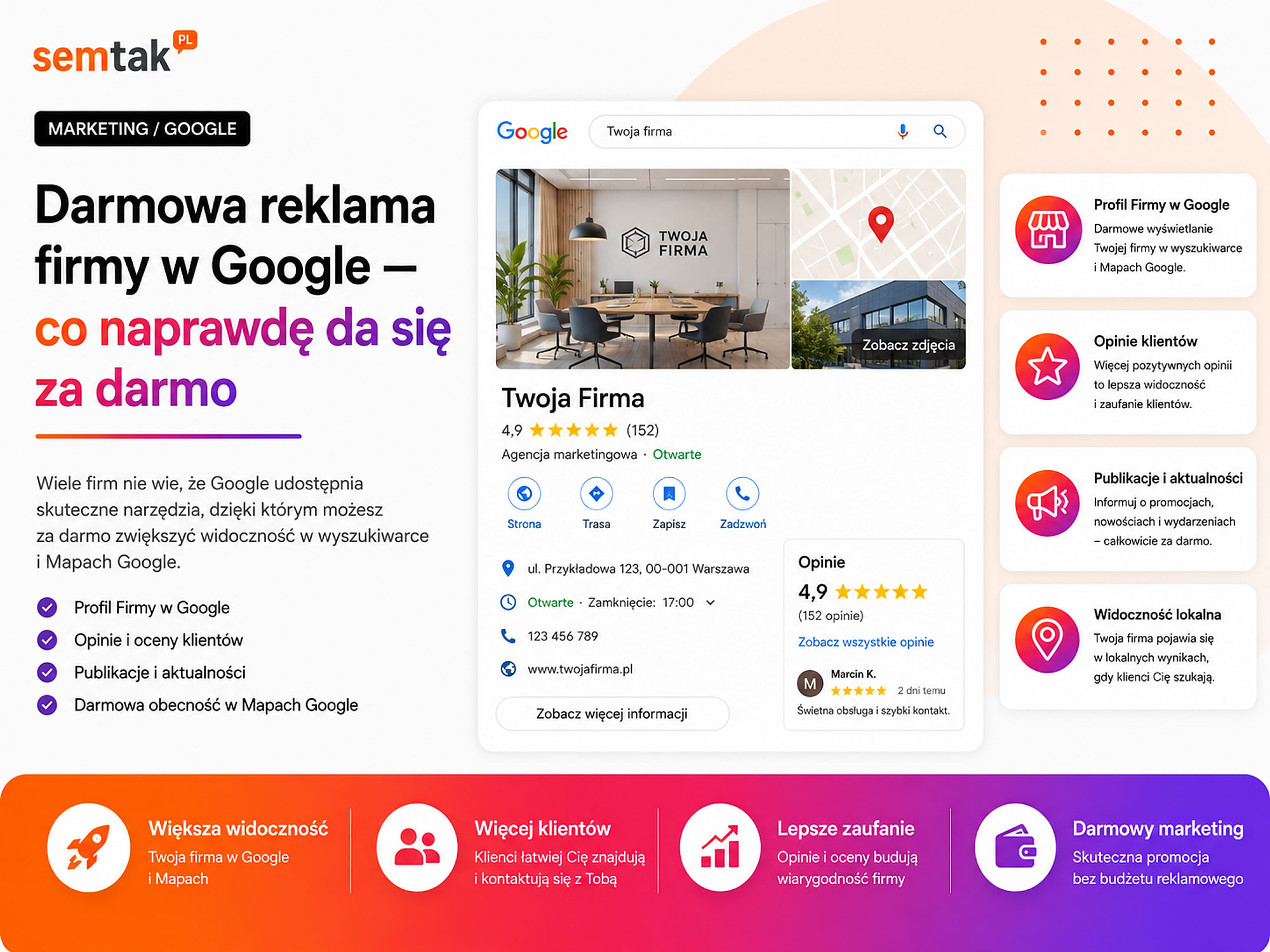
Targeting by location is a strong point of Google Ads. You can show the advert precisely: in a chosen city, region or within a radius of a dozen or so kilometres of your premises — useful for local businesses.
In SEO you achieve local reach through keywords that include the city name (e.g. "store SEO London") and a Google Business Profile, but you do not steer the reach as precisely as in advertising. It is similar with seasonality: in Ads you increase spend at the peak and switch the campaign off after the season, something that SEO — long-term by nature — cannot handle as flexibly.
How does it look on the sales funnel?
The easiest way to grasp the difference is to look at the customer's path:
| Stage | What the customer does | Better channel |
|---|---|---|
| Awareness / research | looks for information, compares, reads guides | SEO (content, blog) |
| Consideration | compares offers and companies | SEO + Ads remarketing |
| Decision / purchase | types in purchase keywords, ready to act | Google Ads, Shopping |
Informational keywords ("how to choose", "is it worth it") are cheaper to serve with content and SEO. Purchase keywords ("buy", "price", "[product] store") are more often closed with advertising — where being present at the exact moment of decision is what counts.
What to choose — SEO or Google Ads?
The honest answer: it depends on what you need right now.
- You need sales straight away (a new store, a launch, the season) — start with Google Ads, and for a store add Google Shopping campaigns.
- You are building a business for years and want to become independent of a constant advertising budget — invest in website positioning or store positioning.
- You have a budget for both — this is the strongest set-up: you occupy the paid and organic result at the same time, gather data from Ads and use it in your SEO strategy. You will find a ready-made bundle in the SEMTAK packages.
Whatever you choose, the foundation is an efficient website. A slow, poorly indexed site will burn through the advertising budget and waste the SEO work — which is why it is worth starting with an SEO audit that shows what is really blocking sales.
Frequently asked questions
Is Google Ads the same as AdWords?
Yes. Google Ads is the current name for Google's advertising system — in 2018 it replaced the old "AdWords" brand. The mechanics of paid search ads stayed the same; only the name and the interface changed.
How long until SEO starts working?
The first results are usually visible after a few months of systematic work on the content, the technical side and the site's authority. The competitiveness of the industry and the starting condition of the site strongly affect this pace — which is why a reliable forecast begins with an audit, not with a promise of "TOP 1 in a month".
Can I run only Google Ads without SEO?
You can, but that is renting traffic: the day you switch off the budget, visibility drops to zero. SEO builds an asset that stays. The financially healthiest approach is to gradually shift part of the traffic from paid to organic as the positions grow.
Does everyone see Google ads?
No. People who use ad blockers will see only the organic results — another argument for not basing your visibility solely on paid clicks.
We will help you choose the channel that really sells
At the SEMTAK Marketing Agency we combine positioning and advertising so that your budget works for sales, not for statistics:
- Website positioning — lasting traffic from Google, independent of the advertising budget.
- Google Ads — sales from day one and full control over the campaign.
- SEO audit — we will check what is blocking visibility before you spend a single pound on advertising.
- SEMTAK packages — a ready-made combination of SEO and advertising matched to your company's stage.
Run a store? Start with the article WooCommerce store SEO — where to begin and check how to speed up a WooCommerce store so that advertising and SEO are not burned on a slow site.
Frequently asked questions
Is Google Ads the same as AdWords?
Yes. Google Ads is the current name for Google's advertising system — in 2018 it replaced the old "AdWords" brand. The mechanics of paid search ads stayed the same; only the name and the interface changed.
How long until SEO starts working?
The first results are usually visible after a few months of systematic work on the content, the technical side and the site's authority. The competitiveness of the industry and the starting condition of the site strongly affect this pace — which is why a reliable forecast begins with an audit, not with a promise of "TOP 1 in a month".
Can I run only Google Ads without SEO?
You can, but that is renting traffic: the day you switch off the budget, visibility drops to zero. SEO builds an asset that stays. The financially healthiest approach is to gradually shift part of the traffic from paid to organic as the positions grow.
Does everyone see Google ads?
No. People who use ad blockers will see only the organic results — another argument for not basing your visibility solely on paid clicks.