Brand reputation in search engines — why your brand SERP decides whether people buy


Brand reputation in search engines is everything a customer sees after typing in your company name — the organic result, your Google Business Profile, reviews, social profiles and mentions. This set of results is called the brand SERP. If it looks weak, or something negative shows up there, you lose the sale before the customer even reaches your website. The good news: a brand SERP can be controlled and deliberately strengthened.
Queries containing a brand name are one of the dominant categories in search. A customer who types in your name is already close to a decision — they are only checking whether they can trust you. AI models do exactly the same today: before they mention your company in an answer, they assess what other sources say about the brand.
In short
Brand reputation in search is the picture a customer sees when they type in your company name — the so-called brand SERP: your website, business profile, reviews, social media and any negative mentions. It matters a great deal, because branded queries come from customers just before a decision who are checking whether they can trust you. You build it by controlling what appears for your name: consistent profiles, reviews, expert content and responding to negative signals.
What a branded query and a brand SERP are
A branded query is a search containing your brand name — on its own or with an addition, e.g. name + reviews, name + jobs, name + pricing. The result of such a query, the brand SERP, usually consists of several elements:
- the organic result for your homepage (title, description, sitelinks),
- your Google Business Profile (formerly Google My Business) with reviews and contact details,
- social media profiles and industry sites,
- mentions and reviews from external websites.
The more of these places you control or genuinely influence, the less space remains for an accidental or negative message.
Brand reputation and E-E-A-T
Google evaluates content through the lens of E-E-A-T, among other things: experience, expertise, authoritativeness and trustworthiness. It is not a single metric you can see in a dashboard — these are signals collected from across the web. A consistent company name, genuine contact details, reviews, original content and mentions on credible sites build the image of a brand that can be trusted.
For a local business, the essentials are: a verified Google Business Profile, consistent NAP (name, address, phone) across all listings, and reviews. For a brand operating nationwide — original expert content and mentions in industry media. Both are put in order by an SEO audit, which is the right place to start.
The brand SERP in the era of AI search
AI Overviews in Google, ChatGPT and Perplexity increasingly answer questions before the user clicks any result at all. When someone asks "is company X trustworthy", the model assembles its answer from what it finds about the brand online — from reviews, mentions and the content on your website.
The conclusion is simple: reputation is no longer just a matter of the first page of Google. Today it also matters how your brand is described in the sources AI models draw on. If they are silent about you or quote negativity, you disappear from recommendations. That is why it pays to publish specific, original content — answering customers' questions directly — and to keep your company description consistent everywhere it appears.
Claim the results for your own brand
After a branded query, a user typically sees several to a dozen or so results. Your goal is to fill as many of them as possible with sources you influence:
- your homepage and key subpages (offer, contact, blog),
- a verified Google Business Profile,
- active social media profiles,
- profiles in credible directories and industry sites,
- original blog posts targeting brand-adjacent phrases.
Each such place is one result fewer for an accidental or damaging mention. Stable visibility for your own name and related phrases is built through website SEO.
How to respond to negative reviews
Negativity follows its own logic: when it appears, it tends to be exposed out of proportion to the positives, and a potential customer will stumble upon it faster than on good reviews. The result is a drop in trust and an abandoned purchase decision. What to do:
- Respond factually to every review — including the negative ones; you show that the company reacts and takes responsibility.
- Earn new, genuine reviews from satisfied customers — they spread the rating more objectively. Never buy or invent reviews.
- Strengthen the positive results so they push isolated negatives out of the top spots.
Reputation in a crisis
When an incident happens and reaches the internet, time is what counts. Queries about the event itself and about the brand will appear quickly. Make sure your response is visible in the results:
- publish a landing page or blog note with an honest statement,
- use the exact phrases that people searching for information actually use,
- in extreme cases, support yourself with a paid Google Ads campaign on phrases related to the situation.
A fast, honest reaction lets you regain control of the narrative before others do it for you.
Reputation and recruitment
Candidates are another group that uses branded queries — most often company name + jobs or + reviews. Checking an employer before applying is the norm today. A weak reputation scares off the best people. It is worth:
- creating a "Careers" page optimised for the phrase name + jobs,
- responding to unfair reviews on forums and employer-rating sites,
- encouraging your current team to share honest reviews.
Reputation monitoring — where to start
Before you start working on your image, check how the brand looks in the results today. The picture often differs from expectations. Simple, repeatable monitoring helps:
- Pick your phrases — the brand name plus complementary words (reviews, jobs, pricing).
- Analyse the results at regular intervals.
- Label mentions as positive, neutral or negative.
- Track new mentions appearing for branded phrases.
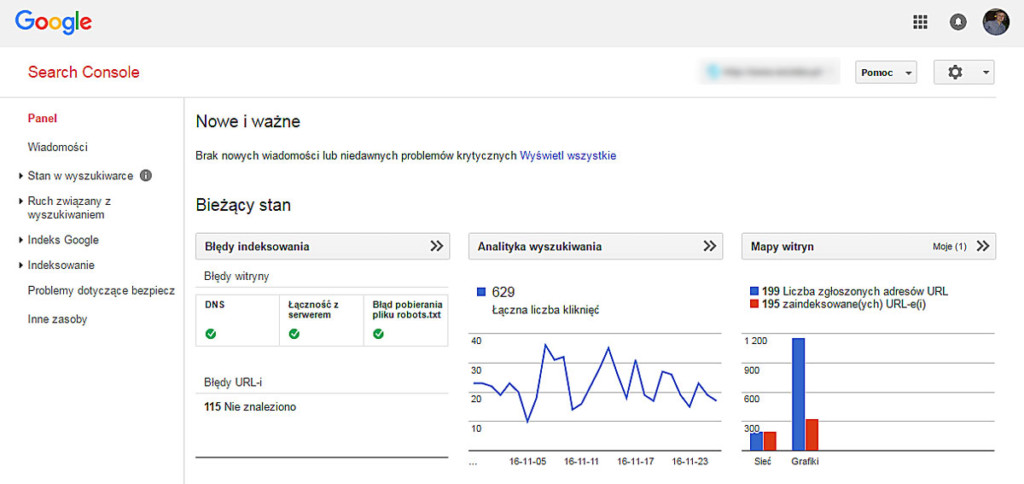
For measurement you can use Google Search Console for free (you will see how many people type in your name and how often they click) and the Keyword Planner in Google Ads (the scale of interest in the brand).
Why a strong brand helps SEO
Reputation and SEO fuel each other. A well-known brand collects more clicks in the results for the same phrases, longer time on site, and natural links and mentions — and all of these are signals that support visibility. In e-commerce the mechanism is the same: trust in a store translates into better store SEO and higher conversion.
Frequently asked questions
How does a brand SERP differ from regular search results?
A brand SERP is the result for a query containing your company name. The user who lands here already knows you and is checking your credibility — which is why control over these results translates directly into sales and trust, not just traffic.
Can I remove a negative review from Google?
You can only remove reviews that break the rules (spam, hate speech, content untrue under the platform's policies) — by reporting them to Google. An ordinary critical but honest review cannot be removed. The best strategy is a factual response and earning new, genuine reviews.
How does brand reputation affect visibility in AI search?
AI models build answers based on what various sources say about the brand. A consistent, expert message and positive mentions increase the chance that the company is named in an answer. A lack of content, or a predominance of negativity, works the other way.
Where should I start working on reputation?
With an audit of what is already visible for your name: the organic result, your Google Business Profile, reviews and mentions. Only with that picture do you plan which places to strengthen and which negative results to respond to.
Want to control what Google says about your brand?
At SEMTAK Marketing Agency we put your brand's search reputation in order and build authority for SEO and AI search:
- SEO audit — we will check what your brand SERP looks like and what weakens it.
- Website SEO — stable visibility for branded and related phrases.
- Google Ads — fast presence in the results in a crisis or at launch.
Running an online store? Start with the article WooCommerce SEO — where to start and check out the SEMTAK packages.